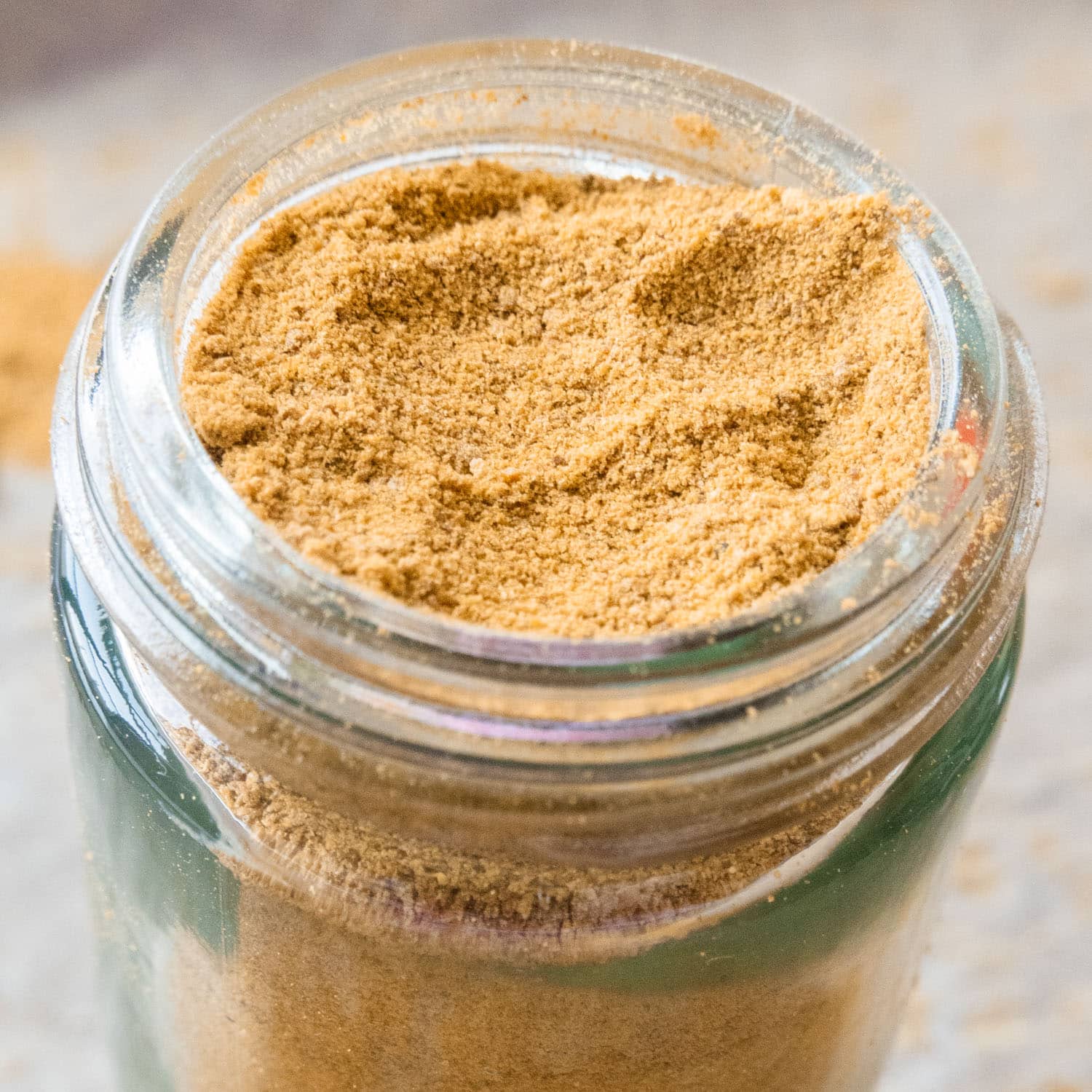
How to Make Onion Powder in Your Oven for Superior Flavor
Imagine a seasoning that elevates every dish, bursting with the pure, sweet, and pungent essence of fresh onions, yet conveniently in powder form. Forget the often bland and dusty store-bought varieties; we're talking about homemade onion powder, crafted right in your own kitchen oven. If you've ever wondered
how to make onion powder in the oven, you're about to unlock a culinary secret that promises unparalleled flavor and aroma. This guide will walk you through transforming humble onions into a golden, aromatic powder that will forever change your spice rack and your cooking.
Why Homemade Onion Powder is a Game Changer
The difference between commercial and homemade onion powder is like night and day. Store-bought versions often undergo various processing methods that strip away volatile compounds, leaving behind a muted flavor. When you make your own, especially with our oven-drying method, you preserve the vibrant, nuanced notes of fresh onions, resulting in a product that is intensely aromatic and deeply flavorful.
*
Unrivaled Taste and Aroma: The most compelling reason to make your own is the superior flavor. The slow, gentle heat of the oven concentrates the natural sugars and pungent oils, creating a powder that's sweet, savory, and incredibly fragrant. You can truly taste and smell the difference, making your culinary creations sing. For a deeper dive into this taste transformation, read our article:
DIY Oven Onion Powder: Taste the Difference from Store-Bought.
*
Preserving Abundance: Have a surplus of onions from your garden harvest, or found a great deal at the market? Making onion powder is an excellent way to preserve them, extending their shelf life for over a year. It's a fantastic solution for reducing food waste and making the most of your produce.
*
Cost-Effective: While onions are generally inexpensive, the specialized powders can add up over time. Making your own from scratch is a budget-friendly alternative that yields a higher quality product.
*
Control Over Ingredients: When you make it yourself, you know exactly what goes into your spice jar – 100% pure onion, free from anti-caking agents, preservatives, or fillers often found in commercial products.
This method is also perfect for those who don't own a food dehydrator. You don't need fancy equipment to achieve professional-grade results. Learn more about this convenient approach here:
No Dehydrator? Make Fresh Onion Powder in Your Oven.
Gathering Your Ingredients and Tools
Before diving into the process, let's ensure you have everything you need. The beauty of this recipe lies in its simplicity.
*
Onions: The Star Ingredient
You can use any type of onion for your homemade powder:
*
Yellow Onions: These are the most common choice, yielding a rich, golden-brown powder with a balanced sweet and pungent flavor.
*
White Onions: Tend to produce a whiter powder, often with a sharper, cleaner onion taste.
*
Red Onions: Will result in a beautiful purplish-red powder with a slightly sweeter, milder flavor.
Experiment with different types to find your favorite! As a general guide,
5 medium-sized onions will yield approximately 1/2 cup of onion powder, while 10 onions can produce about 1 cup. Remember, one fresh onion (or 1 cup of chopped onion) typically converts to about one tablespoon of onion powder.
*
Essential Tools:
*
Sharp Knife and Cutting Board: For finely chopping your onions.
*
Baking Sheets: At least one, possibly two, depending on the number of onions.
*
Parchment Paper: Crucial for preventing sticking and easy cleanup.
*
Spice Grinder or High-Powered Blender: To pulverize the brittle onions into a fine powder. A dedicated coffee grinder (cleaned thoroughly, of course) works wonderfully.
*
Airtight Spice Jars: For storing your finished product.
*
Sieve (optional): For sifting out any larger pieces after grinding.
Step-by-Step Guide: Making Onion Powder in Your Oven
The process of making onion powder in your oven is straightforward, though it requires a bit of patience. The key is low heat and ample time to remove all moisture.
Preparation is Key
1.
Preheat Your Oven: Begin by setting your oven to the lowest possible temperature. Ideally, aim for
170°F (77°C). If your oven doesn't go that low, temperatures between 150-190°F (65-88°C) are acceptable. Just keep in mind that a lower temperature means a longer drying time, which often results in better flavor preservation, while a slightly higher temperature will speed things up but requires closer monitoring.
2.
Peel and Finely Chop the Onions: This is arguably the most tear-jerking part of the process! Peel all your onions. Then, using a sharp knife, chop them as finely and uniformly as possible. Smaller, more consistent pieces will dry much faster and more evenly. If you have sensitive eyes, don't hesitate to wear goggles or even sunglasses – it truly helps! A food processor with a chopping blade can speed this up, just be careful not to over-process into a paste.
The Drying Process
1.
Arrange on Baking Sheets: Line one or more baking sheets with parchment paper. Spread your finely chopped onions in a single, thin layer. It's critical that the pieces do not overlap too much, as this will significantly hinder the drying process and can lead to uneven results. Give them space to breathe!
2.
Bake Until Brittle: Place the baking sheets in your preheated oven. The drying time can vary significantly, ranging from
3 to 7 hours, depending on your oven's exact temperature, the type of onion, and how finely they were chopped.
*
Check Hourly: Stir the onions gently every hour to promote even drying and prevent sticking. This also helps to expose all sides of the onion pieces to the warm air.
*
Test for Doneness: The onions are ready when they are completely crisp and brittle. They should snap easily when bent, not bend or feel soft. If they retain any flexibility, they still contain moisture and need more time in the oven. Continue baking and checking until they are fully dehydrated and resemble dried, flaky onion bits.
Grinding to Perfection
1.
Cool Completely: Once the onions are perfectly crisp, remove them from the oven and let them cool down to room temperature on the baking sheet. This step is crucial; attempting to grind warm onions can result in clumping and a less fine powder.
2.
Grind into Powder: Transfer the dried, cooled onion pieces into your spice grinder or high-powered blender. Pulse and grind until you achieve a smooth, fine powder. You may need to do this in batches.
3.
Sift (Optional but Recommended): For an extra-fine powder, pass the ground onion through a fine-mesh sieve. Any larger pieces that don't pass through can be returned to the grinder for another pulse or two. This step ensures a consistent texture similar to commercial powders.
Maximizing Flavor and Storage for Your Homemade Onion Powder
Congratulations! You've successfully made your own onion powder. Now, let's talk about how to get the most out of it and ensure it lasts.
*
Enhancing Flavor: The inherent quality of your onions will dictate much of the final flavor. Using fresh, high-quality onions is paramount. The slow drying process in the oven helps to concentrate their natural sweetness and pungency. Don't be afraid to experiment with different onion varieties to discover unique flavor profiles for your powder.
*
Usage Ideas: Your homemade onion powder is incredibly versatile. Use it anywhere you'd use store-bought:
* Seasoning meats, poultry, and vegetables.
* Adding depth to soups, stews, and sauces.
* Creating your own spice rubs and marinades.
* Mixing into dips, dressings, and breadings.
* Sprinkling on roasted potatoes or scrambled eggs.
Because it's so potent, start with a smaller amount than you might typically use for store-bought powder and adjust to taste.
*
Storage Instructions: Proper storage is key to maintaining the potency and freshness of your homemade onion powder.
* Transfer the cooled powder into a clean, airtight spice jar or container.
* Store it in a cool, dark cabinet, away from direct sunlight and heat. This prevents degradation of its essential oils and preserves its vibrant flavor.
* When stored correctly, homemade onion powder can last well over a year, retaining its incredible aroma and taste. Avoid storing it near the stove, as heat and humidity can significantly reduce its shelf life.
Conclusion
Making onion powder in your oven is a rewarding culinary project that yields a superior product to anything you'll find in stores. From the satisfying crunch of dried onion pieces to the intoxicating aroma of the freshly ground powder, every step of the process is a testament to the power of simple ingredients and a little patience. Embrace this easy, oven-based method to transform ordinary onions into an extraordinary seasoning that will infuse your dishes with unmatched depth and flavor. Give it a try – your taste buds, and your cooking, will thank you!