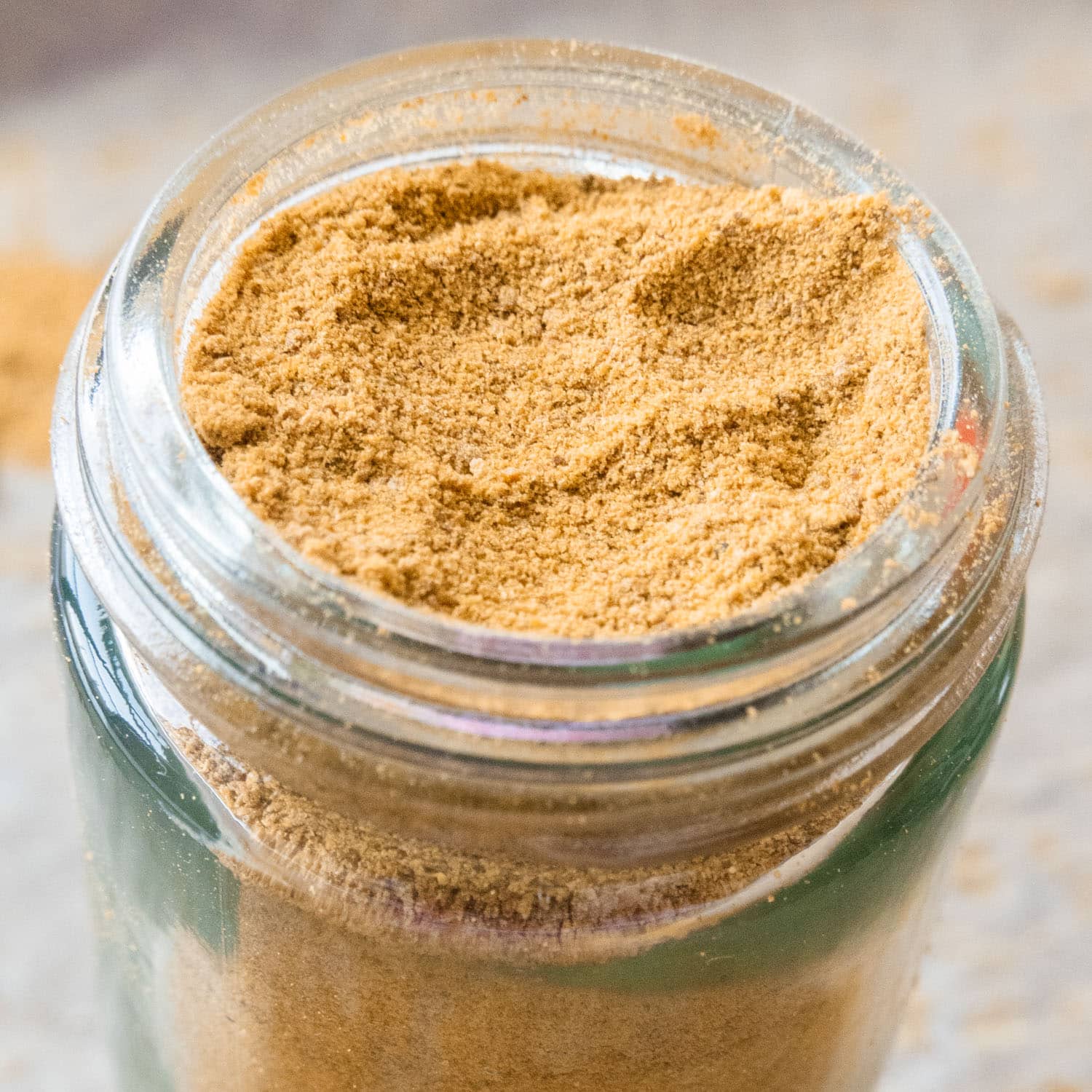
No Dehydrator? Make Fresh Onion Powder in Your Oven for Unmatched Flavor
Imagine a seasoning so potent, so fresh, it elevates every dish it touches – and you made it yourself, right in your kitchen oven! If you've ever felt the sting of disappointment from dull, flavorless store-bought onion powder, or wondered how to preserve an abundance of onions without a dedicated dehydrator, then you're in for a treat. This comprehensive guide will show you
how to make onion powder in the oven, transforming humble onions into a golden, aromatic spice that will revolutionize your pantry. Forget specialized equipment; your standard kitchen oven is all you need to unlock a world of intense, homemade flavor.
Why Bother with Homemade Onion Powder? The Flavor Revolution Awaits!
The difference between homemade and store-bought onion powder is truly night and day. Once you experience the vibrant, pungent, and slightly sweet notes of fresh, oven-dried onion powder, you'll understand why so many home cooks are making the switch. Store-bought versions often contain anti-caking agents and lose much of their volatile oils and potency during processing and prolonged shelf storage. Your homemade batch, however, retains the full, rich essence of the onion, delivering an unparalleled depth of flavor to your cooking.
Beyond the superior taste, there are several compelling reasons to embrace this DIY project:
*
Unrivaled Freshness: You control the ingredients, ensuring no additives or preservatives. The moment you grind those crisp onion pieces, you're releasing an explosion of pure flavor.
*
Cost-Effective Preservation: Have a surplus of onions from your garden, a farmer's market haul, or a sale at the grocery store? Making onion powder is an excellent way to prevent food waste and save money in the long run.
*
Simple & Rewarding: The process is straightforward and incredibly satisfying. Turning a raw vegetable into a versatile, long-lasting spice feels like culinary magic.
*
Customizable: Experiment with different onion varieties to create unique flavor profiles. Yellow onions yield a richer, golden powder, while white onions result in a lighter, sharper flavor.
*
Healthier Choice: Knowing exactly what goes into your spices gives you peace of mind.
To give you an idea of the yield, approximately 5 medium-sized onions will typically produce about 1/2 cup of homemade onion powder. Double the batch, and you'll have a full cup of this precious spice ready for your culinary adventures. Curious to learn more about the flavor difference? Check out
DIY Oven Onion Powder: Taste the Difference from Store-Bought for more insights.
Gathering Your Ingredients and Essential Tools
The beauty of learning
how to make onion powder in the oven is its simplicity, requiring minimal specialized equipment. Here’s what you’ll need:
Ingredients:
*
Onions: Any variety works beautifully – yellow, white, or red. Each will impart a slightly different color and nuanced flavor to your powder. Yellow onions tend to yield a more golden-brown powder with a rich, savory taste, while white onions result in a paler, sharper powder. Red onions will give you a beautiful, subtle reddish hue and a slightly sweeter profile.
Tools:
*
Baking Sheets: Several large ones, as you’ll need to spread the onions in a single layer.
*
Parchment Paper: Crucial for preventing sticking and making cleanup a breeze.
*
Sharp Knife: For peeling and chopping.
*
Food Processor or Mandoline (Optional but Recommended): For achieving uniform, very thin slices or finely diced pieces quickly. This is key for even drying.
*
Spice Grinder or Coffee Grinder: Absolutely essential for pulverizing the dried onions into a fine powder. A dedicated spice grinder is ideal to avoid lingering coffee odors.
*
Airtight Storage Jars: To keep your finished onion powder fresh and potent.
*
Spatula or Tongs: For stirring the onions during drying.
*
Optional: Safety Goggles or Swim Goggles: If you're particularly sensitive to onion fumes, these can be a lifesaver during chopping!
Step-by-Step Guide: How to Make Onion Powder in the Oven
Now for the exciting part! Follow these detailed steps to transform fresh onions into an exquisite spice.
1. Preheat Your Oven to the Lowest Possible Temperature
The goal is to *dehydrate* the onions slowly, not to cook or roast them. Set your oven to its lowest temperature setting, ideally around 170°F (77°C). If your oven doesn't go that low, anywhere between 150-190°F (65-88°C) is acceptable. Remember, lower temperatures mean longer drying times, but they prevent scorching and preserve the delicate flavors. Consistency is key here.
2. Prepare Your Onions with Precision
*
Peel: Remove the papery outer layers from all your onions.
*
Finely Chop or Slice: This is arguably the most critical step for successful oven drying. You need to chop the onions as finely and uniformly as possible. Inconsistent pieces will dry at different rates, leading to some being burnt while others are still soft.
*
For Chopping: A food processor is your best friend here. Pulse the onions until they are very finely diced, almost like coarse minced garlic. Do this in batches to avoid over-processing into a paste.
*
For Slicing: If using a mandoline, aim for paper-thin slices. This method works well but may result in "onion flakes" that require more grinding time.
*
Sensitive Eyes Tip: If you're prone to "onion tears," wearing sunglasses or even swim goggles can provide significant relief during this stage!
3. Arrange Onions on Baking Sheets
Line your baking sheets with parchment paper. This prevents sticking and makes transferring the dried onions much easier. Spread the finely chopped or sliced onions evenly across the parchment paper in a single layer. It's crucial that the pieces do not overlap. Overlapping will trap moisture and significantly prolong the drying time. If you have a large batch, use multiple baking sheets.
4. Begin the Slow Dehydration Process
Place the baking sheets with the onions into your preheated oven. The drying process will take anywhere from 3 to 7 hours, depending on your oven's exact temperature, the type of onion, and how finely they were chopped.
*
Check and Stir: Every hour, open the oven and gently stir the onions with a spatula or tongs. This helps promote even drying and prevents any pieces from sticking or scorching.
*
Assess Crispness: The onions are done when they are completely dry, brittle, and easily snap or crumble when you try to bend them. There should be no moisture or softness left. If they are still pliable, they need more time. Be patient – rushing this step will result in clumpy, less potent powder.
5. Cool Thoroughly
Once the onions are perfectly crisp, remove the baking sheets from the oven and let them cool completely to room temperature. This is essential, as grinding warm onions can introduce moisture, leading to clumping and reduced shelf life.
6. Grind into a Fine Powder
Transfer the cooled, brittle onion pieces into your spice grinder or coffee grinder. Work in small batches to ensure a consistent grind. Pulse and grind until you achieve a fine, smooth powder. The longer you grind, the finer the powder will be.
*
Optional Sifting: For a super-fine, professional-grade powder, you can sift the ground onion through a fine-mesh sieve. Any larger pieces caught in the sieve can be returned to the grinder for a second pass.
Storing Your Homemade Onion Powder for Lasting Freshness
Proper storage is key to maintaining the potency and flavor of your freshly made onion powder.
*
Airtight Container: Transfer the finished onion powder into an airtight spice jar or container. Moisture is the enemy of dried spices, so a tight seal is crucial.
*
Cool, Dark Place: Store the jar in a cool, dark cabinet or pantry, away from direct sunlight, heat, and humidity. These elements can degrade the flavor and shorten the shelf life.
*
Shelf Life: When stored correctly, homemade onion powder can last for over a year, though its peak freshness will be within the first 6-9 months. Over time, its potency may gradually diminish. To ensure you're getting the best flavor, remember to label your jars with the date you made the powder.
Unleash the Flavor: Using Your Fresh Onion Powder
With your fresh batch of homemade onion powder, you're ready to elevate countless dishes. Its concentrated flavor means a little goes a long way.
*
Conversion Tip: A good rule of thumb is that one medium onion (or about 1 cup of chopped fresh onion) is roughly equivalent to one tablespoon of onion powder. However, taste is subjective, so always start with a smaller amount and add more to your liking.
*
Versatile Applications:
*
Seasoning Blends: A foundational ingredient in virtually all savory spice mixes.
*
Rubs and Marinades: Infuse meats, poultry, and vegetables with deep onion flavor.
*
Soups and Stews: Add complexity and a savory base.
*
Sauces and Gravies: Thicken and flavor without adding chunky bits of onion.
*
Dips and Dressings: Sprinkle into homemade ranch, sour cream dips, or vinaigrettes.
*
Popcorn and Snacks: A savory dusting for an irresistible treat.
*
Baked Goods: Surprising but delicious in savory breads, crackers, or biscuits.
For even more inspiration on how to use this incredible seasoning, and a deeper dive into its superior taste, explore
How to Make Onion Powder in Your Oven for Superior Flavor.
Conclusion
Learning
how to make onion powder in the oven is a simple yet profoundly rewarding culinary skill. It not only provides a fantastic way to preserve excess onions and reduce food waste but also delivers an intensely flavorful, additive-free spice that far surpasses anything you can buy in a store. From the satisfying crunch of the dried onions to the fragrant aroma released during grinding, every step of the process connects you more deeply with your food. So, gather your onions, fire up your oven, and prepare to elevate your cooking with the unmatched taste of homemade onion powder. Your taste buds, and your pantry, will thank you!